
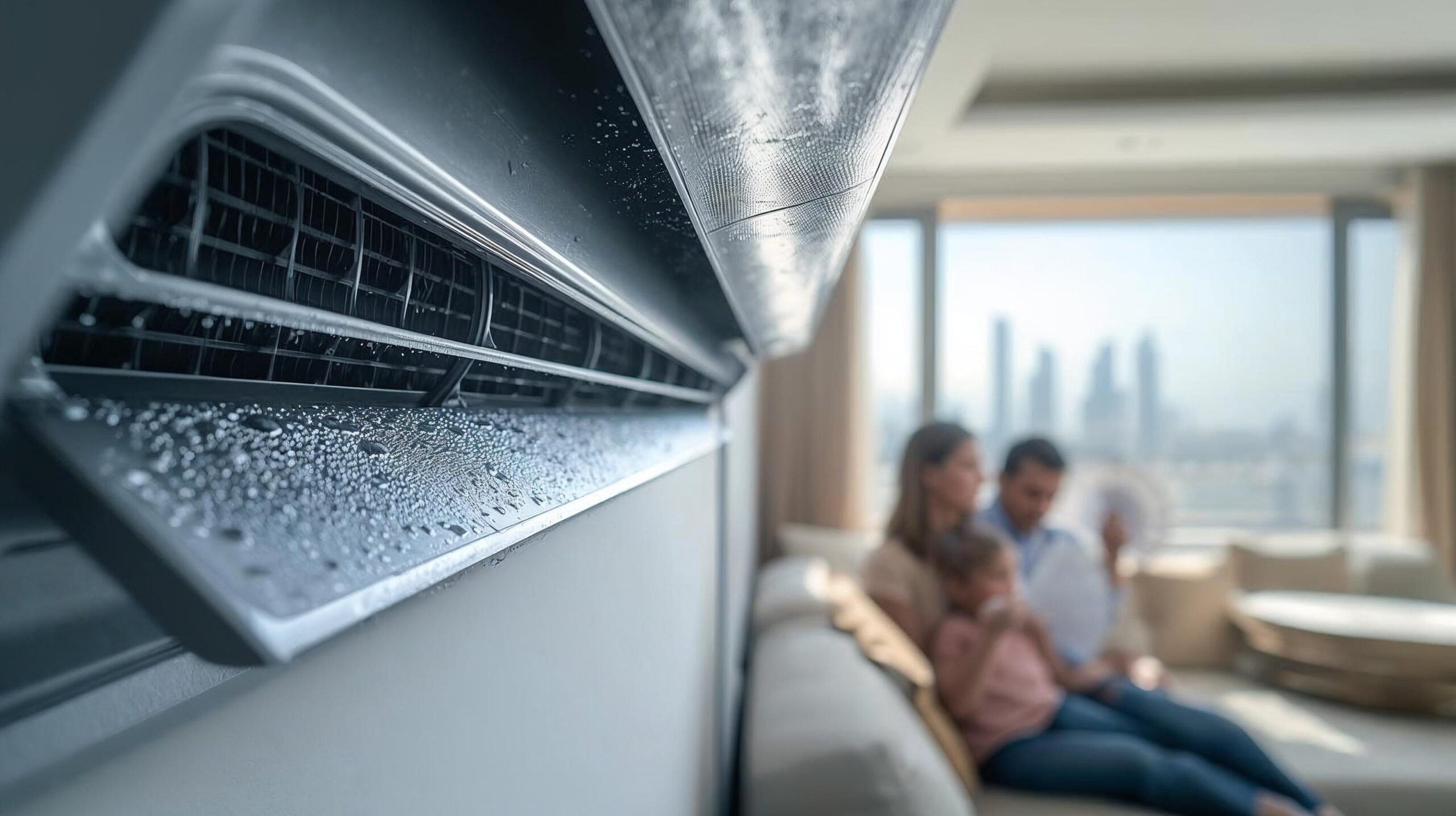
You’re expecting cool relief from your AC on a sweltering summer day, but instead you’re getting weak airflow and warm air. What’s happening inside your system might surprise you—ice is likely forming on your evaporator coil, creating the exact opposite of what you need. This frustrating problem doesn’t just happen randomly, and it’s more common than you’d think. The causes behind this icy sabotage will determine whether you can fix it yourself or need professional help.
Understanding the Evaporator Coil and Its Role in Your AC System
When you turn on your air conditioner during those sweltering summer days, the evaporator coil serves as the heart of your system’s cooling process. This indoor coil absorbs heat from your home’s air as refrigerant flows through it, working alongside the outdoor condenser coil to transfer that heat outside.
Your evaporator coil maintains a temperature just above freezing to cool air effectively without forming ice. However, several issues can disrupt this balance. Low refrigerant levels reduce the coil’s ability to absorb heat properly. Dirty air filters restrict proper airflow, causing temperatures to drop dangerously low. When these problems occur, ice formation becomes inevitable, compromising your system’s performance and potentially causing damage that requires an HVAC technician’s skill.
Common Signs Your Evaporator Coil Has Frozen
While your air conditioner might continue running after the evaporator coil freezes, you’ll notice several telltale signs that something’s wrong. The most obvious indicator is visible ice buildup directly on the AC coils inside your HVAC unit.
You’ll also feel warm air blowing from your vents instead of the cool air you expect from your AC unit. Other warning signs include considerably reduced airflow and diminished cooling performance throughout your home. Your air conditioner will struggle to maintain comfortable temperatures despite running constantly.
Additionally, you might ascertain puddles of water around your indoor AC unit as the frozen coils begin thawing. Don’t ignore these symptoms – a frozen evaporator coil can cause serious compressor damage and complete HVAC system failure if left unaddressed.
Top Causes of Ice Formation on Evaporator Coils
Although evaporator coil freezing seems counterintuitive during hot summer months, several common issues can trigger this problematic ice formation. The most frequent causes of a frozen AC system include restricted airflow and refrigerant problems.
A clogged air filter blocks proper airflow across your coil, causing temperatures to drop below freezing. Dirty air filters should be replaced monthly during peak usage. Similarly, closed vents or blocked return ducts create the same airflow restrictions.
Low refrigerant levels from a refrigerant leak also cause ice formation. When refrigerant pressure drops, the coil becomes too cold. Other culprits include dirty evaporator coils, malfunctioning blower motors, and incorrect thermostat settings. Each issue prevents your system from maintaining proper operating temperatures.
Immediate Steps to Take When You Discover Frozen Coils
Unearthing ice on your evaporator coil requires immediate action to prevent further damage to your AC system. First, turn off your heat pump or air system completely and allow the coil to thaw naturally—this process takes several hours.
You can speed up thawing by positioning a fan to circulate air over the frozen coil, but never chip at the ice since this damages delicate fins.
While waiting, check your air filter for dust and dirt accumulation. Clean or replace dirty filters immediately. Guarantee your condensate drain line isn’t clogged, as this contributes to freezing issues. Your blower fan should also run freely without obstruction.
Once everything’s thawed, schedule a professional HVAC inspection to diagnose the underlying cause and prevent future freeze-ups.
Prevention Strategies to Keep Your Evaporator Coil Ice-Free
Why wait for your evaporator coil to freeze when you can take proactive steps to prevent ice formation entirely? Proper maintenance keeps your air system running smoothly year-round. Replace or clean your air filter regularly to maintain ideal airflow and heat absorption.
Check refrigerant lines for leaks and guarantee adequate refrigerant levels – low refrigerant commonly causes coil freezing. Don’t close more than 2-3 vents simultaneously, as restricted airflow reduces the coil’s heat absorption productivity.
Schedule professional HVAC maintenance annually to clean evaporator coils and remove insulating debris buildup. Verify your blower fan circulates warm air properly across the coil. If you notice persistent issues with your air conditioners despite following these steps, it’s time to call professional HVAC technicians who can repair or replace faulty components before costly damage occurs.
When to Call a Professional Vs DIY Solutions
While prevention remains your best defense against evaporator coil freezing, you’ll eventually face situations where you must decide between tackling the problem yourself or calling in the specialists. Simple DIY solutions include checking air filters, clearing debris from vents, and ensuring your thermostat isn’t set too low.
However, it’s time to call Professional HVAC technicians when you notice refrigerant leaks, electrical issues, or repeated freezing despite basic maintenance. Complex problems like damaged components or system malfunctions require specialized tools and proficiency to get your system back to peak performance. Don’t risk further damage trying advanced repairs yourself – professionals know how to keep your home cool while preventing your coil to freeze again.
Frequently Asked Questions
How to Fix Ice on AC Unit in Summer?
You’ll fix AC ice by checking refrigerant charge levels, clearing airflow blockages, adjusting thermostat settings, monitoring humidity levels, sealing ductwork leaks, and addressing compressor problems. Turn off your unit first, let ice melt completely before troubleshooting.
Why Is My Evaporator Coil Icing Up?
Your evaporator coil’s icing up due to air flow issues from dirty air filters, refrigerant leaks reducing heat absorption, compressor problems, incorrect thermostat settings, or high humidity levels preventing proper heat exchange.
Can an AC Unit Freeze in Summer?
Yes, your AC can freeze in summer due to low refrigerant charge levels, dirty air filter condition, ductwork obstructions, incorrect thermostat settings, compressor problems, or airflow restrictions that reduce warm air circulation.
Can I Turn My AC Back on After It Thaws?
You can turn your AC back on after complete thawing, but first guarantee efficient airflow monitoring, perform air filter maintenance, schedule refrigerant level checks, and have compressor performance evaluation done to prevent refreezing.
Conclusion
You’ve learned the key causes and solutions for evaporator coil icing during summer. Don’t ignore frozen coils – they’ll damage your system and leave you sweltering. Start with simple fixes like changing your air filter and ensuring proper airflow. If ice keeps forming, you’ll need professional help to check refrigerant levels and diagnose complex issues. Stay proactive with regular maintenance, and you’ll keep your AC running efficiently all summer long.

