
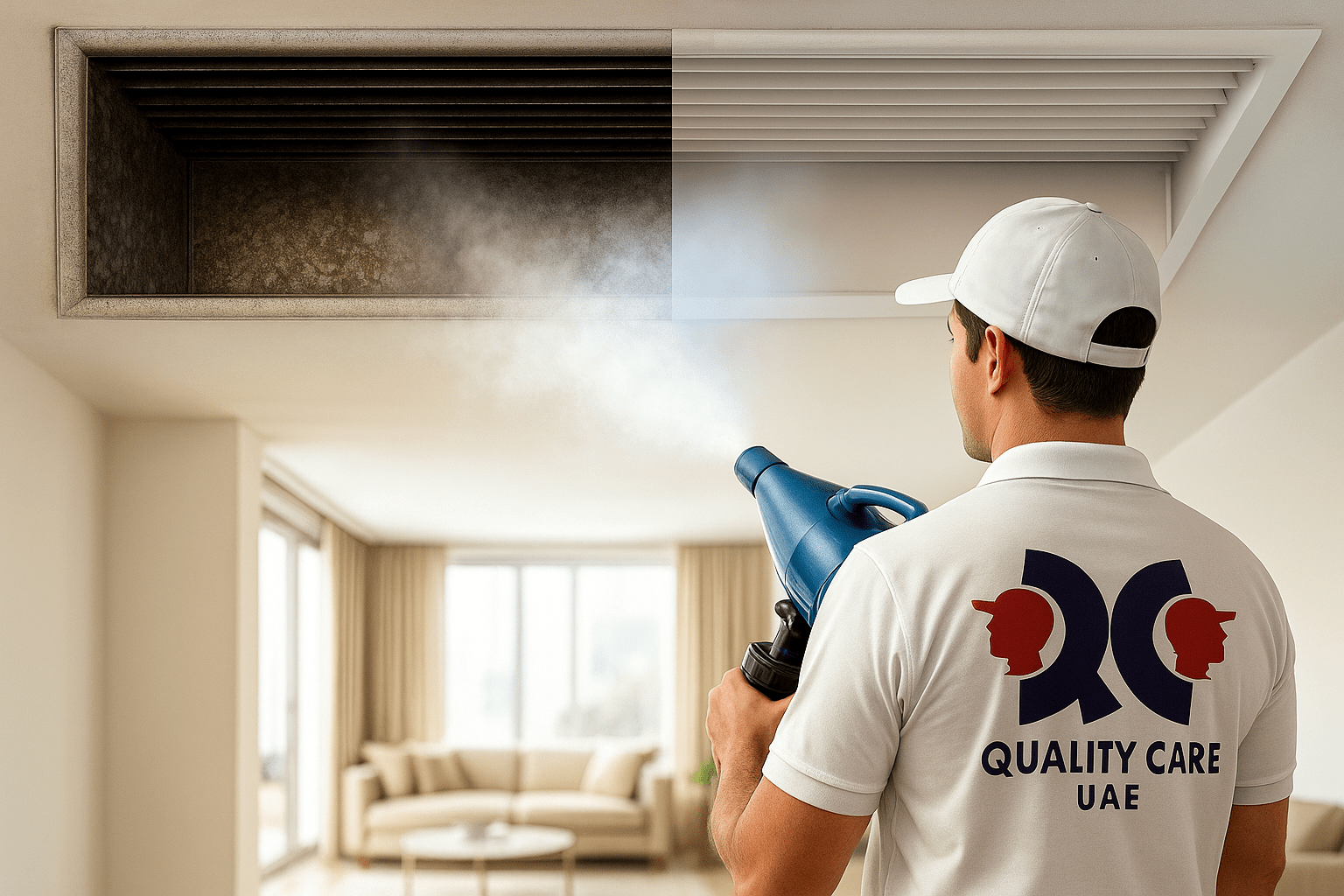
You’ve probably heard about air duct cleaning, but sanitizing and disinfecting take your indoor air quality to an entirely different level. While standard cleaning removes visible debris and dust, sanitization targets the microscopic threats you can’t see—bacteria, viruses, mold spores, and fungi lurking within your ventilation system. These invisible contaminants circulate through your home every time your HVAC system runs, potentially compromising your family’s health in ways you might not even realize.
Understanding the Differences Between Cleaning, Sanitizing and Disinfecting Air Ducts
When maintaining your home’s air quality, you’ll encounter three distinct processes that serve different purposes in your HVAC system. Cleaning removes visible debris, dust, and accumulated particles from your ductwork using mechanical methods like brushing and vacuuming. This basic maintenance step addresses surface-level contamination but doesn’t eliminate microscopic threats.
Sanitizing goes further by reducing bacteria and germs to safer levels using chemical agents or antimicrobial treatments. You’ll typically sanitize after cleaning to target remaining microorganisms that mechanical removal can’t handle.
The most thorough approach involves disinfect procedures, which kill nearly all bacteria, viruses, and fungi. When you sanitize and disinfect your air ducts, you’re creating the healthiest possible environment by eliminating both visible contaminants and invisible pathogens that compromise indoor air quality.
The Professional Sporicidal Fogging Method for Air Duct Treatment
How can professionals verify every corner of your air duct system receives thorough disinfection? The answer lies in sporicidal fogging, an advanced technique that transforms EPA-registered disinfectants like Sporicidin into microscopic aerosol droplets. This method assures complete coating of every surface within your ductwork, reaching areas traditional cleaning can’t access.
During air duct sanitization, the fogging process eliminates nearly 100% of bacteria, viruses, and fungi on contact within just 10 minutes. You’ll appreciate that the disinfectant is fragrance-free and low-toxic, making it safe for both residential and commercial environments.
This professional treatment effectively targets viruses like COVID-19, creating a healthier indoor environment for you and your family. The fogging technique’s precision guarantees extensive coverage throughout your entire air duct system.
Who Needs Professional Air Duct Sanitizing and Disinfecting Services
Now that you understand how sporicidal fogging delivers thorough air duct disinfection, you might wonder if your property requires this specialized service. Several situations warrant Professional Air Duct sanitizing and disinfecting beyond routine cleaning.
You’ll need these services if your property has experienced water damage, flooding, or sewage backup that compromised your HVAC system. Fire damage requiring restoration also necessitates complete disinfection.
Healthcare facilities, restaurants, and commercial buildings handling sensitive products benefit from regular Professional Air Duct sanitizing.
Additionally, if occupants suffer from unexplained respiratory issues or persistent odors plague your space, certified air duct technicians can identify contamination sources. When selecting an air duct cleaning company, make sure they offer EPA-approved disinfection methods and maintain proper certifications for handling antimicrobial treatments safely.
How Often Should Air Ducts Be Sanitized and Disinfected
The frequency of air duct sanitizing and disinfecting depends on your specific environment and circumstances, though most experts recommend professional service every 2-3 years for typical residential properties.
However, you’ll need more frequent sanitizing every 6 months if you have pets, family members with allergies, or live in dusty areas or near construction sites. Your HVAC system usage also affects timing—heavier use requires more attention.
Watch for warning signs that indicate you should sanitize and disinfect your air ducts sooner: unpleasant odors coming from vents, inconsistent airflow throughout your home, unexpectedly high energy bills, or visible mold and mildew growth. Regular maintenance prevents harmful contaminant buildup and maintains healthy indoor air quality for your family.
Why Air Duct Sanitizing Is Important for Preventing Mold and Vermin
Air ducts create perfect breeding grounds for mold and vermin when moisture, dust, and organic debris accumulate in dark, undisturbed spaces. Without proper sanitizing, you’re fundamentally providing a five-star hotel for unwanted guests.
Regular sanitization helps prevent mold by eliminating the moisture and nutrients these fungi need to thrive. When you sanitize your ducts, you’re removing the organic matter that feeds mold spores and creating an environment that’s hostile to their growth.
Sanitizing also addresses vermin infestation by removing food sources and nesting materials that attract rodents and insects. These pests often carry diseases and can contaminate your air supply with droppings and bacteria.
You’ll protect your family’s health by disrupting the cycle that allows mold and bacteria to flourish in your ventilation system.
Safety Considerations: Why Professional Application Is Essential
While you might consider tackling air duct sanitizing as a DIY project, this specialized process requires professional knowledge to safeguard your family’s safety. Trained technicians understand how to properly apply EPA-registered disinfectants and follow essential safety protocols that prevent contamination of your HVAC systems and indoor air.
Without proper training and equipment, you risk releasing harmful particles throughout your home or allowing disinfectants to enter areas where they shouldn’t. Professional sanitizers use specialized fogging and spray methods to safely distribute solutions throughout your ductwork without compromising air quality.
Before any work begins, request product information and safety data sheets from your service provider. This guarantees you understand exactly what disinfectants they’re using and their potential health impacts on your household.
Cost Factors for Air Duct Sanitizing and Disinfecting Services
Understanding safety requirements naturally leads to another important consideration: budgeting for professional air duct sanitizing services. The cost of sanitizing your home’s ductwork varies considerably based on several key factors.
Your home’s size directly impacts pricing, as larger systems require more time and materials. The extent of contamination also affects cost—homes with severe mold or bacterial growth need more intensive treatment procedures. Companies typically charge additional fees for sanitizing services beyond basic cleaning.
The type of disinfectant used influences pricing too. EPA-registered solutions may cost more but provide superior protection. Geographic location plays a role, as service availability and local market rates vary by region. You’ll find prices fluctuate based on the specific sanitizing methods your chosen professional employs.
Benefits of Hiring Certified Air Duct Technicians for Sanitization
Several critical advantages emerge when you choose certified air duct technicians for sanitization work over general contractors or DIY approaches. These professionals possess specialized knowledge and proper equipment to safely sanitize air ducts without releasing harmful particles into your indoor environment. They’ll implement containment and filtration methods that safeguard your family’s air quality throughout the process.
Certified air duct technicians understand HVAC systems thoroughly, providing trustworthy guidance on maintaining efficiency and preventing costly damage from improper work. Their expertise prevents expensive repairs that often result from unprofessional handling of delicate ductwork components.
Professional air duct sanitizing services include family and pet-safe disinfectant fogging that targets invisible pollutants like dust mites, mold spores, and viruses. This thorough approach guarantees sanitization that DIY methods simply can’t achieve safely.
Frequently Asked Questions
What Is Air Duct Sanitizing?
Air duct sanitizing treats your ductwork’s interior surfaces with antimicrobial solutions, eliminating harmful microorganisms. Following air duct inspection and cleaning, you’ll experience significant duct cleaning benefits and air quality improvement through this essential disinfection process.
What Is Air Disinfectant?
Air disinfectants are chemical agents you’ll apply to surfaces killing microorganisms. You’ll find various air disinfectant types like alcohols, quaternary compounds. Disinfectant application methods include spraying, fogging. Disinfectant effectiveness assessment requires proper contact time for pathogen elimination.
What Chemical Is Used to Clean Air Ducts?
You’ll find professionals use EPA-registered disinfectants like Sporicidin for effective duct cleaning chemicals. These professional duct sanitizing methods involve fogging antimicrobial duct treatment applications that eliminate 100% of bacteria, viruses, and fungi within minutes.
What Is AC Vent Disinfectant?
AC vent disinfectant’s a chemical solution that kills bacteria and viruses in your ductwork. It improves indoor air quality assessment results, complements air vent filter maintenance, and requires professional duct cleaning services for safe application.
Conclusion
You’ve learned that air duct sanitizing goes beyond basic cleaning to eliminate harmful pathogens through professional sporicidal fogging. Don’t wait until health issues arise—proactive sanitization protects your family from mold, bacteria, and respiratory threats lurking in your ventilation system. While you can’t safely perform this specialized treatment yourself, certified technicians have the skill and equipment to thoroughly disinfect your ducts. Invest in professional air duct sanitization for cleaner, healthier indoor air.

