
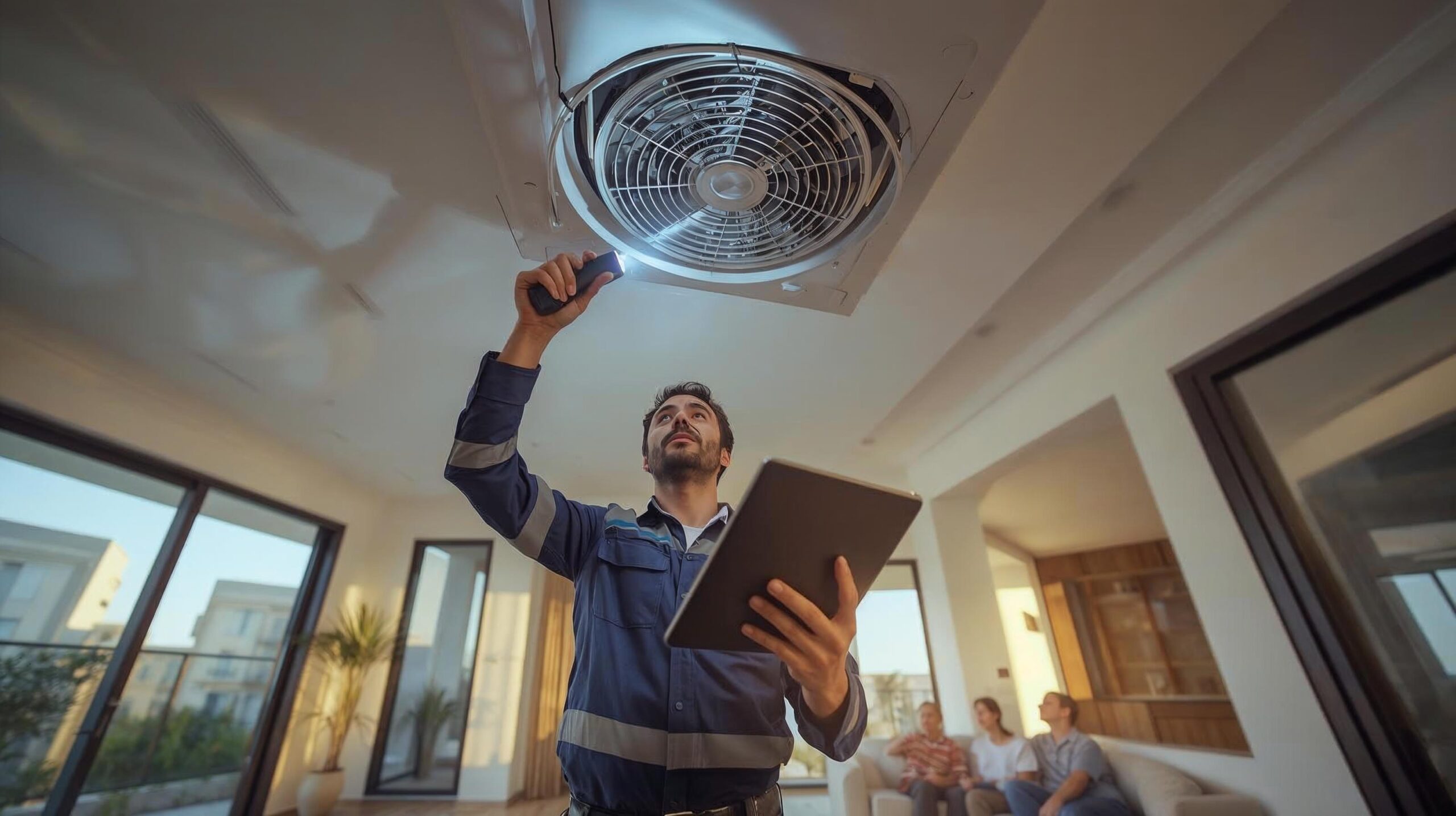
Crucial maintenance steps after professional duct cleaning can extend your system’s efficiency for years, but most homeowners miss these essential practices.
You’ve invested in professional duct cleaning, but that’s only half the battle. Without proper maintenance, your freshly cleaned air ducts can quickly return to their previous state, undermining all that hard work and expense. The dust will settle again, debris will accumulate, and your HVAC system’s efficiency will decline. However, there’s a strategic approach that’ll keep your ducts performing ideally for years to come, and it’s simpler than you might think.
Replace Air Filters Regularly
One of the most effective ways to maintain your freshly cleaned air ducts is replacing your air filters every 1-3 months. Clogged air filters restrict airflow and drastically reduce HVAC efficiency, forcing your system to work harder than necessary. You should check your filters monthly and replace air filters when they appear dirty or discolored.
Air filter replacement isn’t just about HVAC performance. It’s vital for indoor air quality. Higher-quality air filters trap more contaminants like dust, pollen, and debris before they circulate through your ductwork. This prevents dust buildup and keeps your recently cleaned ducts in ideal condition.
Air filter maintenance is surprisingly simple and inexpensive, yet it’s one of the most impactful steps you can take to preserve your HVAC system’s efficiency and maintain clean air ducts.
Keep Vents and Registers Clear and Clean
While replacing air filters protects your ducts from airborne contaminants, maintaining clear and clean vents and registers guarantees your HVAC system can circulate conditioned air effectively throughout your home. Regular maintenance of air vents directly impacts air quality and air conditioning performance.
You’ll need to vacuum or wipe down vents and registers periodically to remove dust, debris, and pet hair that naturally accumulate over time. Never place furniture, drapes, or decorative items in front of these openings, as they’ll obstruct airflow and force your system to work harder.
Check each vent monthly for blockages that could impede proper circulation. This simple practice verifies your freshly cleaned ducts continue providing ideal performance. Clean, unobstructed vents complement your filters’ work, preserving the air quality improvements you gained from professional AC duct cleaning and disinfection.
Monitor and Control Indoor Humidity Levels
Although clean ducts improve your home’s air circulation, controlling indoor humidity levels between 30-50% prevents mold growth and guarantees your HVAC system operates at peak effectiveness. High humidity strains your cooling system, reducing its capacity while increasing energy consumption.
You’ll need to monitor moisture levels regularly using a hygrometer and address fluctuations promptly to protect your air system and indoor air quality.
Consider installing a dehumidifier or adjusting your thermostat’s humidity settings when levels exceed the recommended range. Don’t overlook proper ventilation and insulation, which naturally regulate indoor humidity and complement your HVAC maintenance efforts.
Regular monitoring confirms your freshly cleaned ducts remain moisture-free, preventing contamination and maintaining ideal performance throughout your home’s air circulation system. If you want to understand more about maintaining clean and healthy air distribution systems, you can also read about air duct sanitising and disinfecting.
Schedule Professional HVAC Inspections
Even after professional duct cleaning, you’ll need qualified HVAC technicians to conduct annual inspections that verify your system’s continued efficiency and catch potential problems before they escalate into costly repairs. These all-inclusive evaluations assess your entire system, including ductwork condition, air quality factors, and component performance.
Professional technicians will examine filters, identify leaks requiring sealing, and spot blockages that compromise airflow. Regular maintenance inspections guarantee your recently cleaned ducts maintain ideal performance and indoor air quality standards. During these visits, experts clean essential components, provide performance recommendations, and address minor issues before they become major problems.
Scheduling annual HVAC inspections safeguards your investment in duct cleaning while promoting long-term system reliability and efficiency.
For additional maintenance guidance, see our optimal AC maintenance tips.
Seal Ductwork Leaks and Maintain Proper Insulation
After investing in professional duct cleaning, you must address any gaps, cracks, or disconnections in your ductwork to prevent air leaks that undermine your system’s efficiency. Sealing ducts eliminates gaps or loose connections that impede airflow and compromise performance. Duct leaks allow unfiltered air to enter your system, undoing the benefits of your recent cleaning.
You should also insulate the ducts properly to maintain the desired temperature of circulating air and prevent energy losses. Maintain proper insulation to control humidity levels and prevent the growth of mold and mildew within your ductwork. Well-sealed and insulated ducts preserve your investment by sustaining clean air quality and ideal HVAC performance. Regular inspections help identify potential issues before they compromise your system’s efficiency.
Frequently Asked Questions
What to Do After Duct Cleaning?
You should replace air filters, seal duct leaks, schedule inspection visits, monitor air quality, check for mold growth, minimize dust accumulation, avoid pet dander, guarantee proper ventilation, maintain HVAC system, and hire professional cleaner regularly.
How Do I Maintain Clean Air Ducts?
You’ll maintain clean air ducts through regular duct filter replacement, scheduled professional maintenance, monthly vent cover cleaning, proper ductwork sealing techniques, and air quality inspections. These dust accumulation prevention steps optimize air flow and energy efficiency.
What Are the Drawbacks of Duct Cleaning?
You’ll face high cleaning costs, potential HVAC system damage, and possible contaminant spreading during cleaning. There’s lack of scientific evidence proving benefits, potential health risks, household disruption, and sometimes ineffective results that don’t improve indoor air quality.
How Often Should I Have My Air Ducts Cleaned Out?
You should have your air ducts professionally cleaned every 3-5 years, with seasonal duct inspections and regular filter replacement intervals helping maintain air quality improvement, dust accumulation monitoring, and energy efficiency optimization between cleanings.
For more information about what professional duct cleaning involves, see our guide explaining what’s included in AC duct cleaning.
Conclusion
You’ve invested in professional duct cleaning, so don’t let that investment go to waste. By replacing filters regularly, keeping vents clear, controlling humidity, scheduling annual inspections, and sealing leaks, you’ll maintain ideal air quality and HVAC efficiency. These straightforward maintenance steps aren’t just recommendations. They’re essential for protecting your home’s air system and ensuring you breathe cleaner air while saving on energy costs long-term.

