
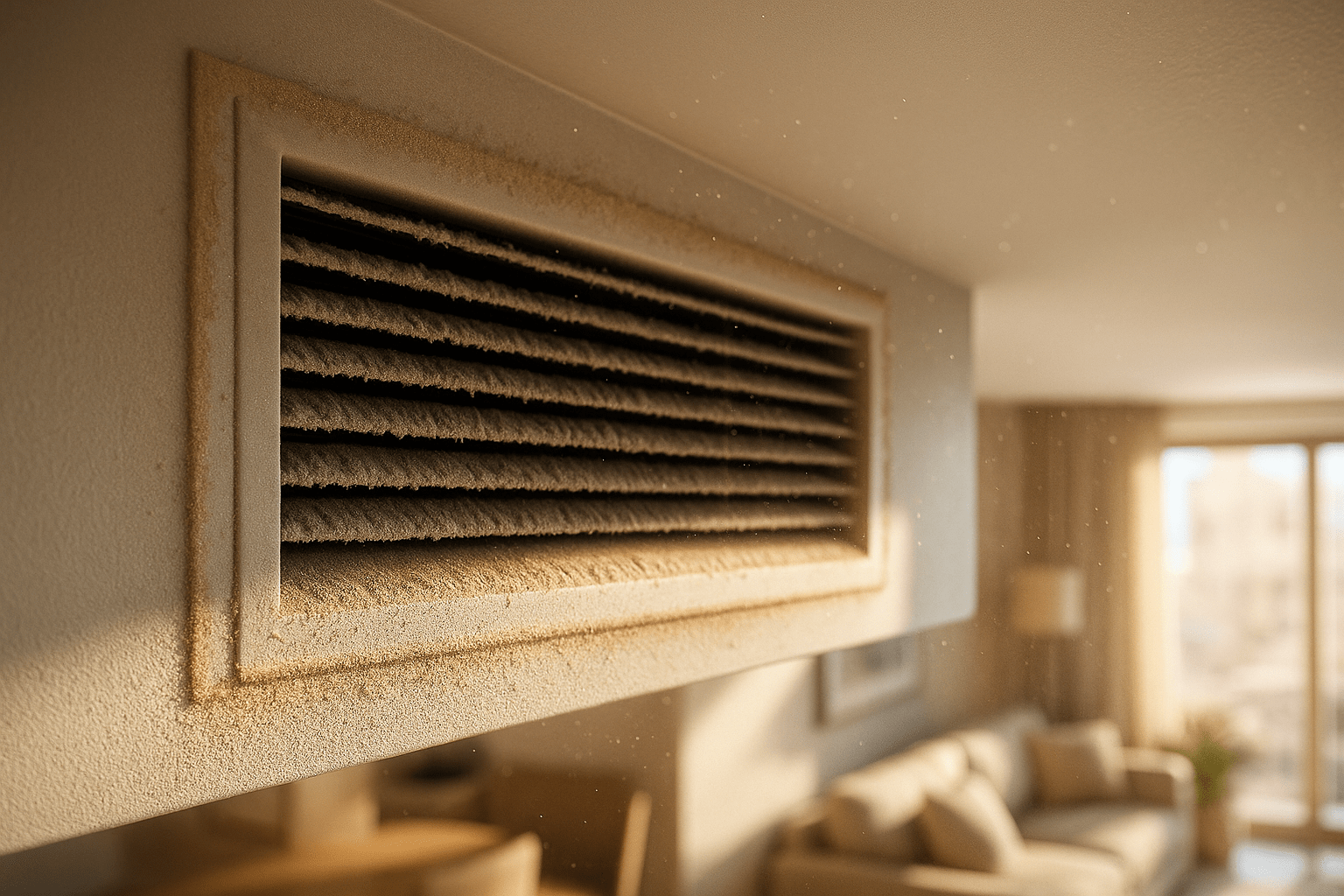
Uncover how Dubai’s invisible sand particles are secretly damaging your AC system and driving up your electricity bills.
You’ve probably noticed your electricity bills creeping higher each month, but you might not realize that Dubai’s relentless desert environment is silently sabotaging your air conditioning system. Those microscopic sand particles swirling through the air don’t just settle on your furniture. They’re infiltrating your AC unit’s most critical components, creating an expensive domino effect that’s costing you money and comfort. What’s happening inside your system might surprise you.
The Harsh Reality of Dubai’s Desert Climate on Air Conditioning Systems
While Dubai’s gleaming skyline and modern infrastructure showcase technological advancement, your air conditioning system faces an invisible enemy that’s relentlessly working against it. The desert environment constantly bombards AC systems with microscopic sand particles that infiltrate every component. Dubai residents understand that dust storms aren’t just inconvenient. They’re destructive forces that compromise cooling system efficiency.
Your air conditioning systems work overtime in this harsh climate, fighting temperatures exceeding 45°C while battling continuous dust infiltration. Sand particles accumulate on condenser coils, reducing heat transfer capabilities. Dust buildup clogs filters within days rather than months, forcing your system to consume more energy. This relentless cycle means your AC components deteriorate faster than in temperate climates, leading to frequent breakdowns and costly repairs.
How Dust Affects Your Air Conditioner Components and Performance
Three critical components suffer the most when dust infiltrates your air conditioning system, each creating a domino effect that compromises your entire cooling operation.
Clogged air filters represent your first line of defense against Dubai’s relentless dust particles. When these filters become saturated, airflow is restricted, forcing your AC system to work harder and increasing energy consumption dramatically.
Your condenser coils and evaporator coils face equally destructive consequences. Dust accumulation creates an insulating layer that prevents proper heat transfer, resulting in reduced cooling efficiency. After each dust storm, these coils collect more particles, gradually reducing your system’s performance.
The combination of restricted airflow and compromised heat exchange affects all internal components. Your compressor overworks, motors strain, and overall system lifespan decreases significantly when dust affects your air conditioning operation consistently.
Warning Signs Your AC System Is Struggling With Sand and Dust Infiltration
Because your AC system operates continuously in Dubai’s harsh environment, it’ll communicate distress through several unmistakable symptoms that demand immediate attention.
Signs your AC needs help include reduced airflow and unusual noises indicating your AC is struggling against sand infiltration. You’ll notice higher energy bills as the system must work harder to maintain comfortable temperatures through clogged filters and restricted components.
Visible dust accumulating around vents and on surfaces signals your AC unit isn’t filtering effectively anymore. The constant strain accelerates wear and tear on motors, fans, and coils, shortening equipment lifespan significantly.
If you’re noticing several of these warning signs together, professional AC duct cleaning and disinfection can help remove accumulated dust and contaminants from the air distribution system.
Poor air quality from compromised filtration creates mold growth conditions within ductwork, presenting serious health risks including respiratory issues and allergies that affect your family’s wellbeing.
Health Risks From Contaminated AC Systems in Dubai Homes
Contaminated AC systems in Dubai homes create a breeding ground for harmful microorganisms that directly threaten your family’s health. When dust and sand infiltrate your AC unit, they compromise your indoor air quality by harboring bacteria, mold, and allergens throughout your indoor environment.
You’ll notice increased respiratory issues, including asthma attacks, persistent coughing, and allergic reactions when your system circulates contaminated air. Children and elderly family members face heightened health risks from these pollutants. Dirty filters can’t effectively trap particles, allowing harmful contaminants to recirculate continuously.
For more information about the potential health effects of a contaminated air conditioning system, read our guide on whether a dirty AC can make you sick.
Regular professional cleaning becomes essential in Dubai’s challenging climate. Without proper maintenance, your AC transforms from a comfort system into a health hazard, spreading contaminants that can trigger respiratory conditions and compromise your family’s wellbeing.
Professional Deep Cleaning Solutions for Dust-Damaged AC Units
When dust and sand severely compromise your AC system’s performance, professional AC deep cleaning services offer a comprehensive solution for your Dubai home. Trained technicians use specialized equipment to thoroughly clean coils, drain pans, and AC ducts, removing accumulated contaminants that regular maintenance can’t address.
These comprehensive services restore your air conditioner’s cooling efficiency while extending system lifespan. Professional AC cleaning improves indoor air quality by eliminating harmful pollutants that can contribute to respiratory issues. Technicians can perform chemical coil cleaning, duct sanitization, and install high-efficiency filters for long-lasting protection.
If you’re unsure what a professional duct cleaning service covers, you can learn more about what’s included in AC duct cleaning.
Regular AC deep cleaning prevents costly repairs in Dubai’s harsh climate. Professional AC maintenance addresses water leaks, unusual odors, and airflow problems. Your AC needs this thorough approach to maintain optimal performance and create healthier indoor environments.
Preventive Maintenance Strategies to Protect Your AC From Desert Elements
Beyond reactive cleaning services, implementing proactive maintenance strategies shields your AC system from Dubai’s relentless desert conditions before damage occurs. You’ll need regular professional maintenance to keep your cooling system operating efficiently.
Clean high-grade air filters monthly during peak dust seasons to prevent abrasive particles from infiltrating your system’s components.
Optimize your AC’s dehumidification function and consider standalone dehumidifiers to prevent excessive moisture that breeds bacteria and mold. Don’t ignore water leaks, unusual odors, or performance changes. They signal underlying contamination issues requiring attention.
For additional guidance on keeping your ductwork clean after professional service, see our article on tips to maintain air ducts after duct cleaning.
Hire qualified HVAC professionals with specialized equipment and expertise in desert climate challenges. These maintenance services ensure your system maintains peak energy efficiency while protecting against Dubai’s harsh environmental elements that compromise indoor air quality and cooling performance.
Frequently Asked Questions
Can Dust Damage AC?
Yes, dust can seriously damage your AC. You’ll face clogged filters, reduced airflow, and overworked components. Dust accumulates on coils, decreasing efficiency and increasing energy costs. Regular cleaning prevents breakdowns and extends your system’s lifespan significantly.
How to Protect AC From Dust?
You can protect your AC from dust by replacing filters regularly, scheduling professional cleanings, trimming vegetation around outdoor units, installing air purifiers, and addressing performance issues promptly.
How to Remove Dust From an AC Unit?
You’ll need to turn off your AC first. Remove and wash the filters with warm water. Use a soft brush to clean vents and coils gently. Wipe down the exterior with a damp cloth regularly.
Who Is Responsible for AC Cleaning Dubai?
You’re responsible for AC cleaning if you’re renting individually-metered units. However, if you’re in buildings with central systems, building owners typically handle maintenance. Property management companies often oversee cleaning services for residents.
Conclusion
Your AC system doesn’t stand a chance against Dubai’s relentless desert conditions without proper care. You can’t ignore the warning signs of dust infiltration or delay professional maintenance. Take action by scheduling regular deep cleaning and implementing preventive strategies. Don’t let sand particles damage your investment and compromise your family’s health. You’ll save money, extend your system’s lifespan, and maintain optimal cooling performance by staying proactive in this challenging environment.

